
As He Crawled Towards Me
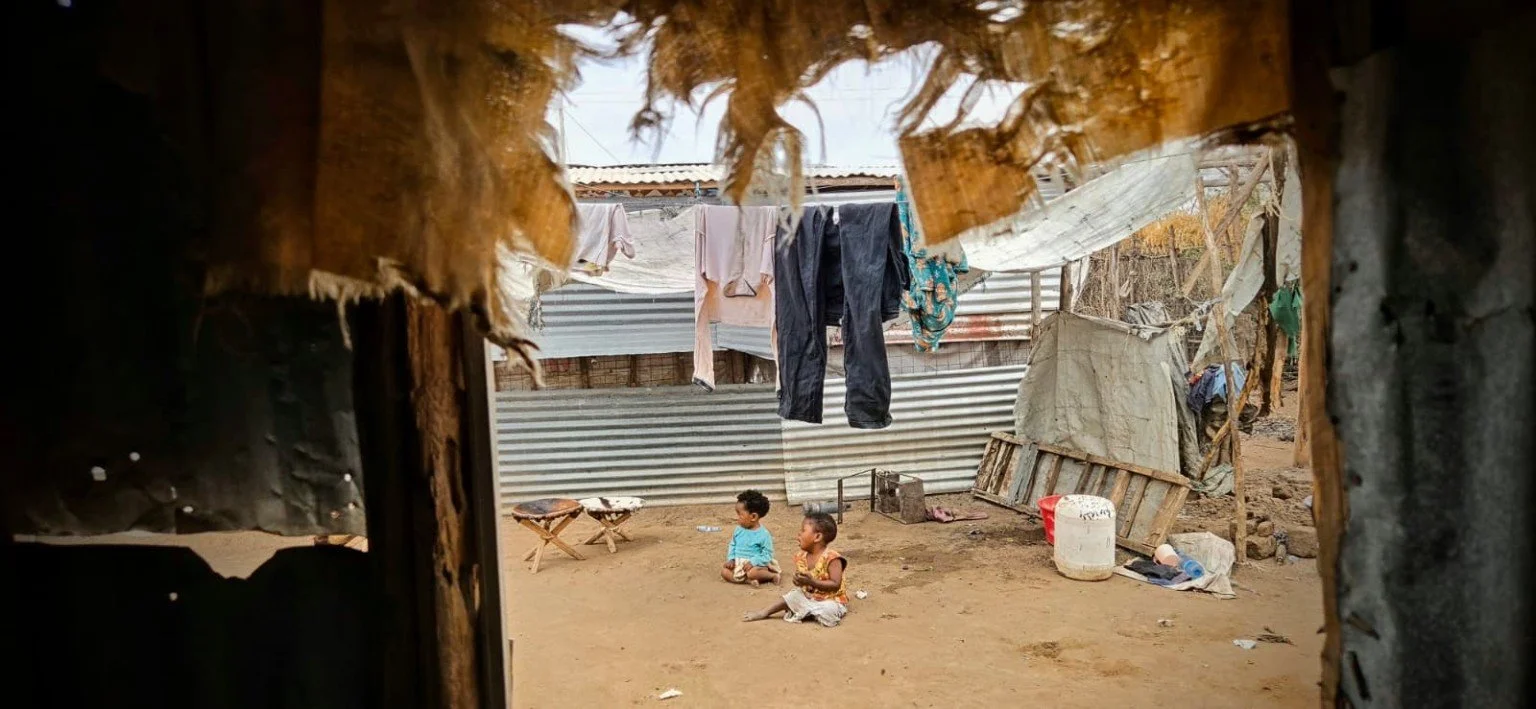
I was in Kakuma, a refugee camp in northwest Kenya, visiting the home of a woman who lives there with her six children. She’s a single mother. Her youngest is about a year old, and he’s paralyzed from the waist down.
We were standing outside their home, which is basically a very rudimentary structure surrounded by dirt and dust. The baby was sitting on the ground. At one point his mom walked around the side of the house to show us something, and he tried to follow her. I watched this little boy put his hands into the dirt and try to crawl after his mom. His upper body was moving, but his legs just dragged behind him. And he started crying.
I don’t know exactly why, but watching that really fucked me up. I picked him up out of the dirt and carried him around the house to his mom. She took him into her arms, held him, and he stopped crying.
It was such a small moment, but I haven’t been able to get it out of my head. I can still see him trying to crawl. There was something about watching this tiny person desperately trying to get to the person he needed, but physically not being able to do it himself. He needed someone else to pick him up.
Afterward, my clothes were covered in dirt and dust from holding him, and I remember noticing it. For me, being covered in dirt was an inconvenience. I could change my clothes. I could shower. I could leave. For him, the dirt is where he sits every day. That contrast has stayed with me.
And then there is the much bigger reality surrounding this little boy. He is growing up in a refugee camp. His mother is raising six children there by herself. He has a serious disability and needs healthcare, rehabilitation, equipment, and long-term support in a place where even basic resources are incredibly limited.
And their story isn’t happening in isolation. The people living in Kakuma have fled conflicts across the region. Conflict, displacement, poverty, and competition over resources create environments where exploitation thrives. People who have already lost their homes and stability become incredibly vulnerable to labor exploitation, sexual exploitation, abuse, and violence.
I talk all the time about vulnerability and exploitation. They’re words I use constantly in my work. But sometimes you see something that makes those words physical. For me, it was a little boy in the dirt trying to follow his mom.
I don’t want to be able to see something like that and then just go home and move on with my life. I want HealEx to keep moving into places like this. Because there are people all over the world who cannot get what they need by themselves—not because they aren’t trying, but because the circumstances around them have made it almost impossible.
Sometimes somebody has to go to them. Sometimes somebody has to pick them up.
